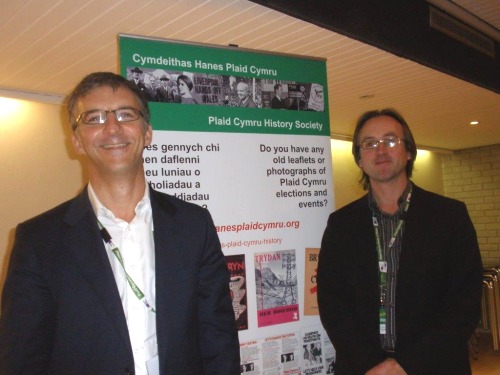
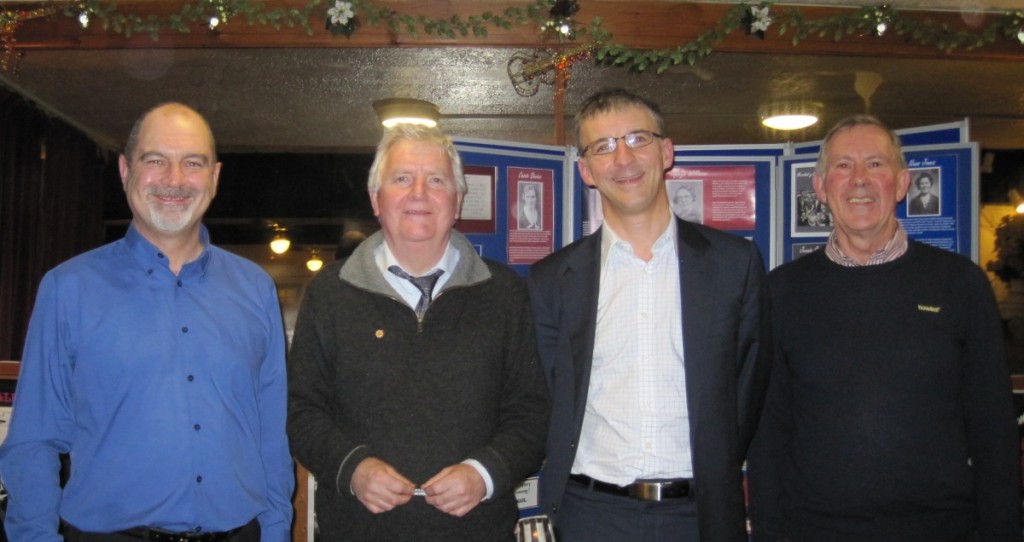
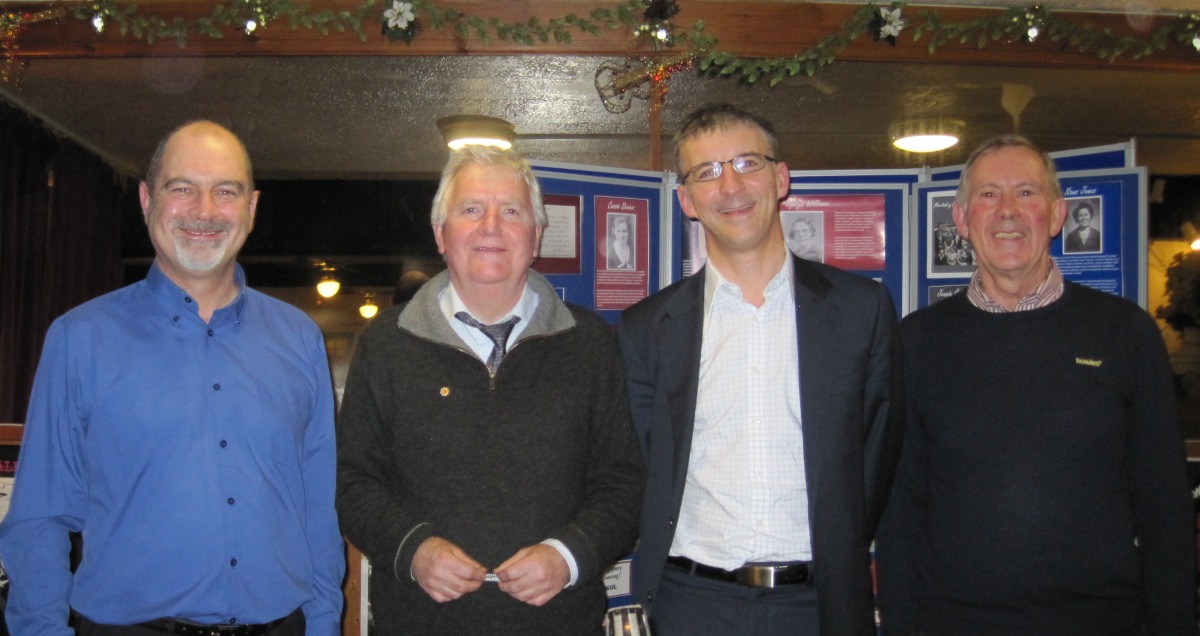
Chairman of Penarth Branch Adrian Roper, Alun Ffred Jones AM, Professor Richard Wyn Jones, Dafydd Williams
A special event was held to commemorate the 90th anniversary of the first meeting of The Welsh Movement, the group which led to the formation of Plaid Cymru. The historic, secret meeting was held in Bedwas Place in Penarth on January 7, 1924, and led by the lecturer and dramatist, Saunders Lewis, who lived in Penarth for many years. At this month’s event, guest speaker Professor Richard Wyn Jones spoke of the importance of the meetings held by the group and how they led to links with Nationalists in north Wales and the official formation of Plaid Cymru the following year. He explained how policies drawn up by the group became the policies of Plaid Cymru in its early years. As well as Saunders Lewis, the first historic meeting was attended by the historian, Ambrose Bebb, and the owners of the house in which it was held, the historian and Welsh scholar, G. J. Williams, and his wife, Elizabeth. This month’s event, organised by the Plaid Cymru History Society and the Penarth Branch of Plaid Cymru, was attended by about a hundred people, including a television crew. A packed room at the Windsor Arms heard Penarth Branch Chairman Adrian Roper welcome Prof Jones, party members and supporters and local residents interested in the history of politics in Penarth. The meeting was chaired by Assembly Member Alun Ffred Jones, a grandson of the Rev Ffred Jones, who joined the group shortly after the first meeting. A vote of thanks to the speakers was given by the Chairman of the Plaid History Society, Dafydd Williams. Among the audience at the commemorative event were the parliamentary and Assembly candidates for Cardiff South and Penarth, Ben Foday and Dr Dafydd Trystan Davies, who was elected as the party’s national Chairman last year.
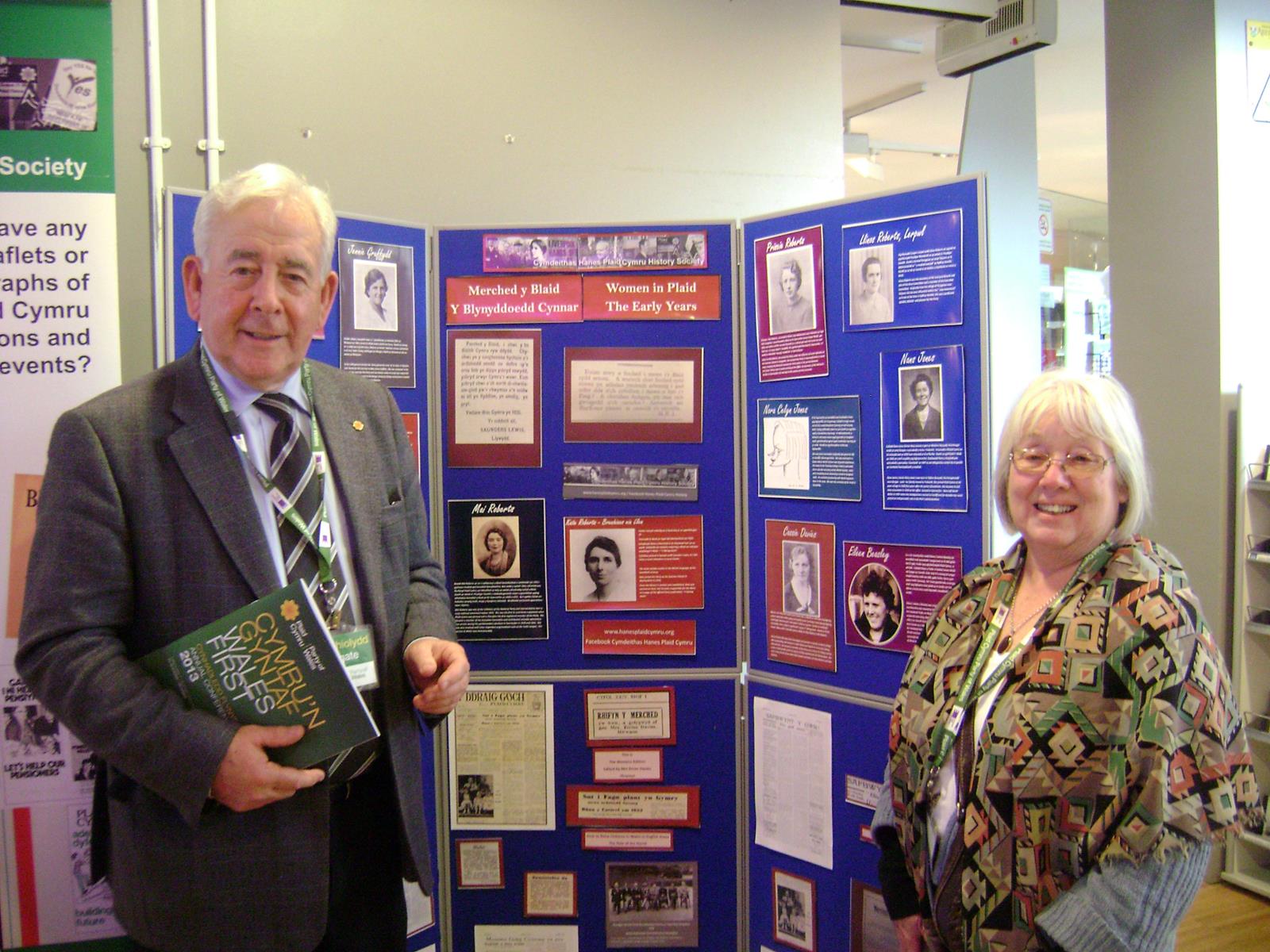
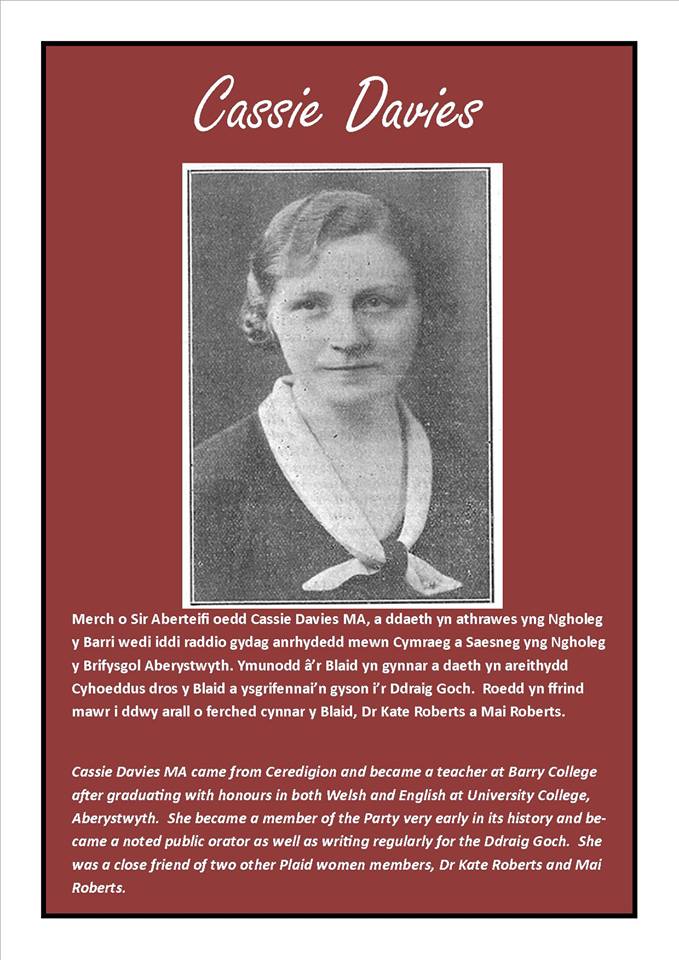
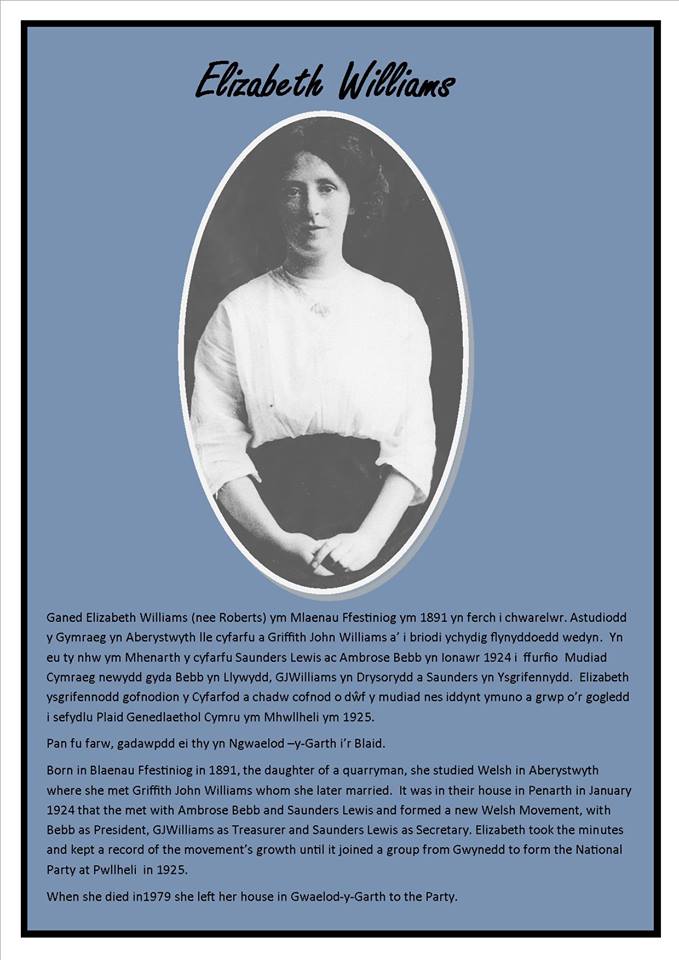
In the 2013 Annual Conference an exhibition of Women in ‘Plaid Cymru – The Early Years’ prepared by Yvonne Balakrishnan was displayed by the History Society.
Amongst the women shown in the exhibition are –
Cassie Davies, Tegwen Clee, Eileen Beasley, Nesta Roberts
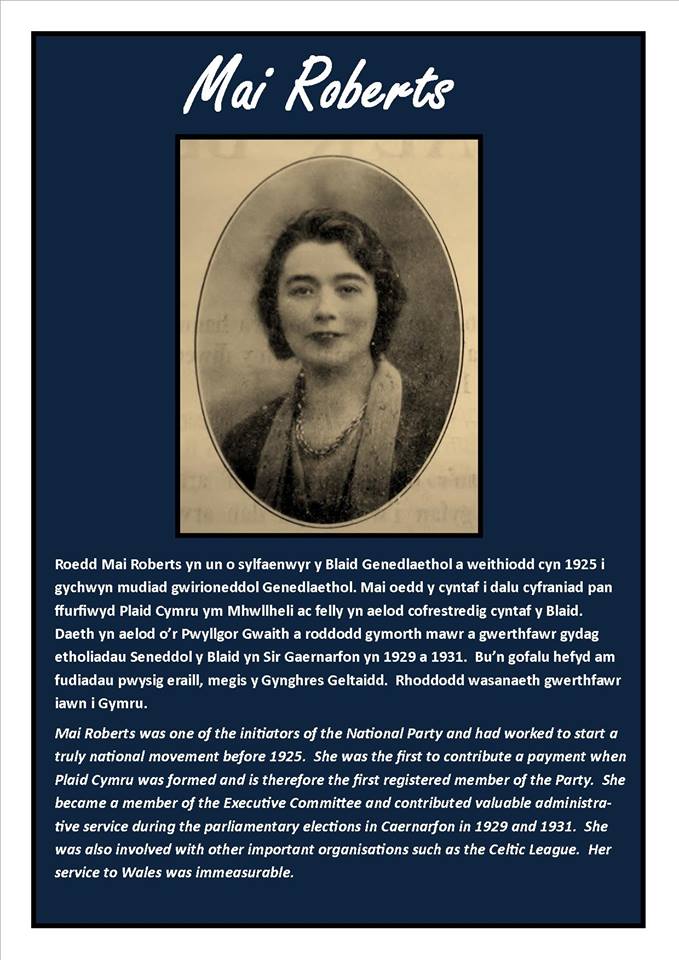
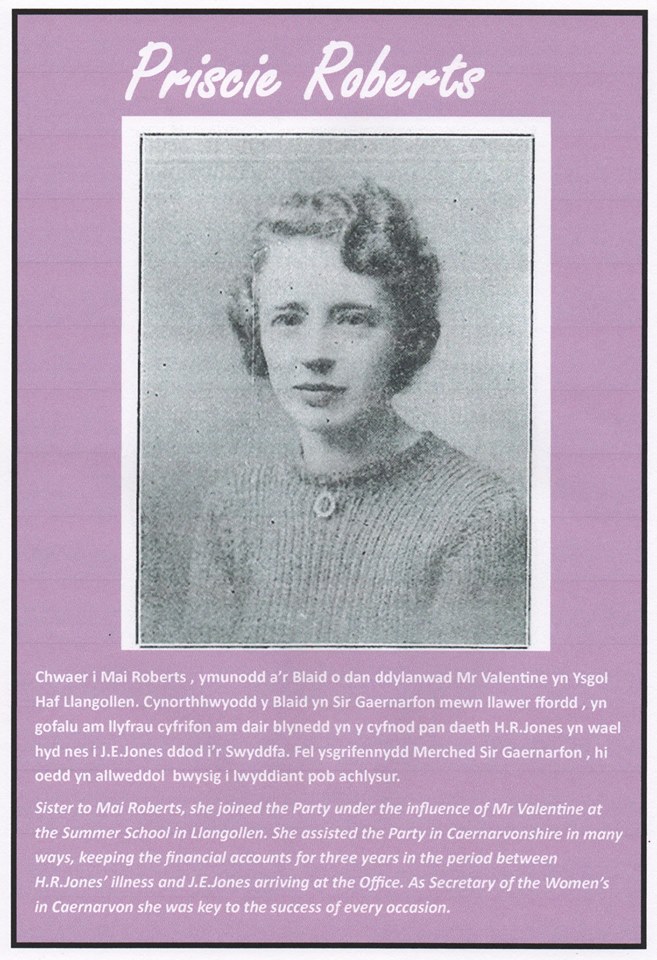
Priscie Roberts, Mai Roberts, Efelyn Williams, Kate Roberts
Dr Ceinwen H. Thomas, Cathrin Huws, Caerdydd, Jennie Gruffydd
One of Plaid Cymru’s most colourful characters, the former Cynon Valley county councillor Glyn Owen, died on 5 November 2013. Here we publish with thanks the funeral oration delivered by the historian D. Leslie Davies, Aberdare.
A TRIBUTE TO THE LATE GLYN OWEN (1932-2013), DELIVERED AT HIS FUNERAL SERVICE IN SAINT ELVAN’S CHURCH, ABERDARE, FRIDAY, 15TH NOVEMBER 2013:
I have prepared these remarks about the late Glyn Owen at his request – both written and oral. I have prepared them with his wishes in mind. I thank him for entrusting the task to me, to be undertaken (hopefully) with propriety and dignity.
……………
Colourful and determined. A charming controversialist. A genial, restless man. An amusing individual who could be very stubborn. Generous and parsimonious. A man capable of pity who could be ruthless if he felt a need. A faithful friend who was sometimes so fickle. A politician who attracted loyalty and enmity in equal measure like no-one else I can think of – except, perhaps, Margaret Thatcher (although he wouldn’t thank me for saying that!) .
All these traits (and more) formed part of the character of that talented yet complex person, Glyn Owen, who died on Tuesday, 5th November having endured a period of ill-health which gradually stole from him much of the zest and acuity which so marked him in his prime.
My intention today is to speak concisely not of Glyn Owen the private individual but chiefly – as Glyn requested – of the public figure who was once such a prominent person in the life of the Cynon Valley, Glamorgan and Wales.
Glyn was born at Miskin, Mountain Ash, in 1932, the youngest of six children. His father – a miner – was born at Abercwmboi but later moved to Mountain Ash. Glyn mentioned that his father’s father had come from north Wales and that his mother hailed from Blaenau Ffestiniog. Glyn left Miskin Secondary Modern School in 1947, aged 15, and said that he had worked for a while as a railwayman. He did National Service with the RAF between 1952-54 before crossing the world with the Merchant Navy prior to returning home. He mentioned that he’d briefly worked as a miner following his return, but wanted to work for himself by virtue of his experience and natural ability.
My impression often was that the circumstances of his childhood had been quite difficult and challenging. Why should that be a surprise, given that he’d been born during the hardest, most depressed and straitened economic times of the 20C ? As with us all, the circumstances of his childhood doubtless had an influence on the rest of his life and on his world-outlook since, as Wordsworth puts it, “the child is father of the man”.
It was as a local businessman that Glyn first became widely-known in the Cynon Valley. On returning there, he settled at Cwmbach and opened a clothes shop which functioned as both a retail- and credit-drapery. This was the start of a career into which Glyn later entered more fully: that of commercial and personal finance.
Yet, it was not as a provider of personal or commercial finance that Glyn made his lasting mark over a period of time in the Cynon Valley and elsewhere. His contribution to the politics of Wales during the 1960s and ’70s is what will stand as a memento to him. It is this that will earn him a place in the history of Wales at a time of great change in its political temperament and governance, and in public attitudes towards the Welsh language. Glyn welcomed these changes and took pride in thinking he had contributed towards them in some degree – especially towards winning for Wales an elected Assembly in 1997.
He played a definite rôle in securing this outcome by contributing hugely in his day towards building the political momentum essential to achieving it. He is due copious thanks for his timely and substantial contribution.
Time doesn’t permit me to detail the various campaigns, elections, meetings, speeches, publicity stunts, demonstrations, rallies and political posts that Glyn undertook in his prime. Such ‘insider details’ will have to wait until my memoirs appear !
Glyn’s energy and dedication during these years was phenomenal: like a tornado and a tsunami in one. So much so that his political opponents often didn’t know what had hit them nor how to respond. Without wishing to make a political point of it, it is only fair to say as much. Only a fraction of his energy – so often very creative, but occasionally counter-productive – will be discernible in the media of the time for researchers of the future to pick-up on, but part of the testimony is there.
Glyn was an elected member for some fifteen years of the old Aberdare Urban District Council and its successor, the Cynon Valley Borough Council. He was elected to Glamorgan County Council and its successor, Mid-Glamorgan County Council. There has never been in the history of these bodies a time more lively and tumultuous than when he served on them as a diligent and forthright member. In those days, politics were fun as well as important – thanks, more often than not, to Glyn !
Posts with Plaid Cymru afforded Glyn his greatest influence on public life in the Wales of his day. I won’t burden you with details, but he re-organised the party financially to make it more ambitious and effective than before. He trod on some toes in doing so – but to Glyn, this was an occupational hazard.
Glyn worked keenly on his party’s campaigns in dramatic by-elections at Rhondda West (1967), Caerffili (1968) and Merthyr (1972) and as the party’s agent at Aberdare in the general election of 1970, with Dr. Gareth Morgan Jones as candidate. The effect of these contests was to threaten directly Labour’s hold on much of the south Wales coalfield and its self-confidence in not having faced such a serious challenge for generations. This created a momentum which led, in large part, to the referenda of 1979 and 1997. Glyn Owen played a huge rôle in all of this: a rôle that has not received to date the attention it deserves.
Glyn Owen’s vibrant campaigning methods transformed the 1970 and 1974 general elections in the Aberdare constituency (as it then was) into the most memorable since the triumph of Keir Hardie and the Labour Party here at the start of the 20C. One can seriously suggest as much without forgetting the notable campaigns of Wynne Samuel and Gwynfor Evans in the constituency in 1946 and 1954.
Because it occurred between famous by-elections at Caerffili (1968) and Merthyr Tydfil (1972), and in the context of a general election, the importance of the 1970 campaign at Aberdare – which Glyn organised – is sometimes overlooked. Its significance was that it stood in sequence with those very by-elections as a further warning to the Labour Party that its grip on the coalfield was slackening. The 11,431 votes won by Gareth Morgan Jones at Aberdare in 1970 (a hundred more than Plaid received in Arfon that same year) were just as significant as the by-elections mentioned. The best compliment paid Glyn was that all the others parties began copying his methods thereafter. Elections in the Valleys were certainly different once Glyn got ‘stuck in’ !
The peak of Glyn’s political career came when he stood as the Plaid Cymru candidate in both general elections of 1974. The result of the second was a disappointment to him; but let it be noted that the 11,973 votes Glyn received in the first 1974 election (just 27 short of 12,000) was the highest vote achieved by any candidate opposing Labour in this constituency since 1924 (when a Liberal scored 15,201 against George Hall). No candidate opposing Labour has surpassed Glyn’s vote since 1974 either. By 2014 his record will have stood for 90 years. Naturally, he was proud of this in his later years and regarded it as something of a legacy.
By 1985, politics began to unravel somewhat for Glyn. For various reasons, he withdrew from active campaigning to concentrate on his business. Much could be said of these years – as some present will know; but it is better now to draw across them a curtain of reconciliation and comradeship.
Glyn was a complex character: competitive but kind too. He was generous in providing a bus to carry pupils without cost to the local Welsh School when the county council threatened to charge them and Catholic children – but no-one else – for this service. I know how faithful Glyn could be towards those whom his respected (my mother being among them) and how kind he could be towards causes and individuals close to him.
He had – still has – his critics. Perhaps they will have something to say about him still. Perhaps they once had a point, I don’t know. But that isn’t the Glyn Owen I choose to recall.
No-one is sufficiently snow-white to judge another without measure as some have done in Glyn’s case. To them, I commend chapter 8 (vv. 2-11) of St. John’s Gospel. There, a crowd of worthies approaches Jesus to test him, bringing with them a woman who had behaved in a way that required stoning under Jewish Law. Jesus invited whoever was without fault to cast the first stone. No-one threw a thing. Everyone slunk off in embarrassment.
Rather than judge, what about seeking, if possible, reconciliation with the world and all within it since there is, according to the poet Henry Vaughan from Breconshire, something of the divine in everyone:
“Walk with thy fellow creatures… There’s not a spring
or leaf but hath his morning hymn. Each bush
and oak doth know I AM; can’st thou not sing… ?”.
David Leslie Davies.
15 Tachwedd, 2013.
§§§
Welsh Nation Spring 2014
Councillor who rocked the Labour machine
writes Jack Wood
Church-goers said a fond farewell to a leading politician, the former borough and county councillor Glyn Owen, who, for the best part of 20 years, was the principal symbol of political defiance and Welsh Nationalism in the Cynon Valley. He was 81 and had been in ill health for two to three years.
A packed congregation at his funeral service in St Elvan’s Church, Aberdare heard tributes to one of the few Valleys Plaid Cymru politicians who managed to rock the Labour Party machine time and time again with headline-grabbing statements and actions.
He came close to breaking the Labour Party’s grip on power in the Cynon Valley in 1974 by picking up just under 12,000 votes in one of the most closely contested Cynon Valley parliamentary elections in decades.
He honed his debating skills as a member of Aberdare Urban Council and, later, of Cynon Valley Borough Council, where he locked horns frequently with Labour Party leaders Councillors Bill Williams and Bill Morgan.
On their passing, the Chamber was open for Glyn Owen to rule the roost albeit not, as a member of a minority party, to wield the authority.
He made an even bigger impact and nuisance of himself in the former Glamorgan and Mid Glamorgan County Council chambers before the borough and county councils were merged to form Rhondda Cynon Taf.
His efforts in the sixties and seventies paved the way for Plaid Cymru to take control of Cynon Valley Borough Council but by that time he was no longer politically active. He will be remembered in the Valley as a champion of the common man. He made a habit of exposing rogue traders, long before the practice made for compulsive TV viewing, and embraced many popular campaigns, such as opposition to increased council and water rates, opposition to local hospital closures and the use of NHS facilities by private practitioners.
He was not always in favour with the Plaid Cymru hierarchy because of his unwillingness to toe the party line and his unpredictability. He was willing to make common cause with the Labour Party when the occasion demanded, such as the successful fight against the siting of two massive gas storage tanks in Hirwaun.
A Cynon Valley man through and through, Glyn Owen was born in Mountain Ash and lived for most of his life in Cwmbach before retiring in his latter years to Hirwaun. He was a champion of traditional Welsh values and set great store by Welsh culture, espousing the literary talents of the poet Harri Webb and playwright Rhydwen Williams, both of whom he attended regularly during their latter years of ill health.
To some he was a hero, to others a rogue – to some extent because his money lending business was not considered a suitable pursuit for a people’s representative but, to a greater extent, because of his opportunist tendency to grab the limelight. The implied conflict of interests never manifested itself publicly, but Coun Owen’s publicity stunts occasionally resulted in brushes with the law. In any event, he was the most flamboyant and, some would argue, the most significant politician the Cynon Valley has ever produced.
Tuesday, 7th January 2014, Windsor Arms, Windsor Rd. Penarth, 7.30pm.
Lecture by Prof. Richard Wyn Jones and a buffet to follow to remember the occasion, 90 years ago, of the first meeting of the ’ Welsh Movement’ which led to the foundation of Plaid Cymru.
Tickets £10.00. Post your cheque to Alan Jobbins, 47 Wingfield Rd. Eglwys Newydd, Caerdydd CF14 1NJ
An event to commemorate the 90th anniversary of the first meeting of Y Mudiad Cymreig/The Welsh Movement, which led to the formation of Plaid Cymru the following year, is being held in Penarth in January.
The historic meeting was held at 11, Bedwas Place in Penarth on the evening of January 7th, 1924, and the commemorative event is being held at the Windsor Arms on Tuesday, January 7 (7.30pm).
It is being organised jointly by the Plaid Cymru History Society and the Penarth Branch of Plaid Cymru.
The guest speaker will be Professor Richard Wyn Jones, the eminent historian, political commentator, author and broadcaster.
At the 1924 meeting, a small group of nationalists, led by the lecturer and playwright Saunders Lewis, began drawing up a set of aims and policies intended to rescue Wales from political and cultural oblivion.
As well as Mr Lewis, that first meeting was attended by the historian, Ambrose Bebb, and the owners of the house, the historian and Welsh scholar G. J. Williams and his wife, Elizabeth.
They were joined at a later meeting, on February 5, 1924, by D.J. Williams and Ben Bowen Thomas and at their March meeting by the Treorchy minister, the Rev Ffred Jones, the grandfather of folk singer and former Plaid President Dafydd Iwan and of Assembly Member Alun Ffred Jones, who will be chairing the anniversary meeting.
The group met in secret throughout 1924 and, at about the same time, another group of nationalists were meeting in Gwynedd.
Early in 1925, the leader of the northern group, H.R.Jones, contacted Saunders Lewis to invite him to help with the creation of a new political party. The two groups stayed in close contact and, on August 5, 1925, Mr Lewis and the Rev Ffred Jones travelled to Pwllheli to join H.R. Jones and three others – Rev Lewis Valentine, scientist Moses Griffiths and carpenter D.E. Williams – at a meeting which established Plaid Genedlaethol Cymru as the National Party of Wales.
Some of the policies which were forged in Penarth by the Welsh Movement have been long abandoned, but the vision of a party with, in D.J. Williams’ words, “the specific aim of delivering to Wales, in the fullness of time, self-government and its own parliament, along with all the privileges of a free nation” became a reality.
The rebirth of Wales as a self-governing nation can be traced back, in no small part, to those secret discussions at Bedwas Place in 1924.
It is hoped that guests at the commemorative event will include descendants of the Welsh Movement’s principal members and representatives from the Pwllheli branch of Plaid Cymru.
Tickets (£10 a head to include buffet) are available from Rowland Davies, of the Penarth Branch, at ardbear@btinternet.com or on (029) 20702603 or 07769 195025, or from AlanJobbins, of the Plaid Cymru History Society, a asjobbins@btinternet.com or on (029) 20623275 or 07790 868686.
Why have a number of Unionist politicians sought to smear Plaid Cymru with the gibe of being fascist, without so much as a shred of evidence?And how have they got away with it for so long?
This was the theme of a well-attended fringe meeting at this year’s annual conference in Aberystwyth addressed by the political historian Professor Richard Wyn Jones.During the year, Professor Jones published the first ever detailed analysis of these accusations, which have surfaced from time to time over the last seven decades.The meeting, chaired by Professor Daniel Williams, was jointly sponsored by Cangen Aberystwyth and the Plaid Cymru History Society.
The book, at present available in Welsh only, is a ‘must’ for all nationalists.It forensically and conclusively debunks a lie systematically put about for decades by less scrupulous anti-Welsh politicians.
‘Y Blaid Ffasgaidd yng Nghymru’: Plaid Cymru a’r Cyhuddiad o Ffasgaeth (2013).Richard Wyn Jones. University of Wales Press.
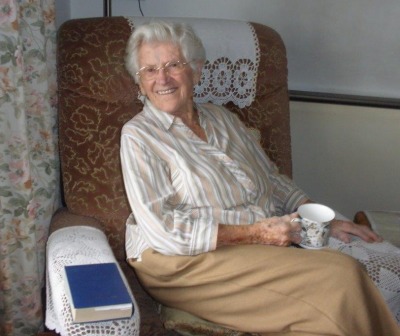
The latest Plaid History recording features Mrs Iris Davies, Carmarthen, whose memories of Plaid go back to the 1930s. She recalls one of Gwynfor Evans’ earliest public meeting (Ammanford, circa 1937).

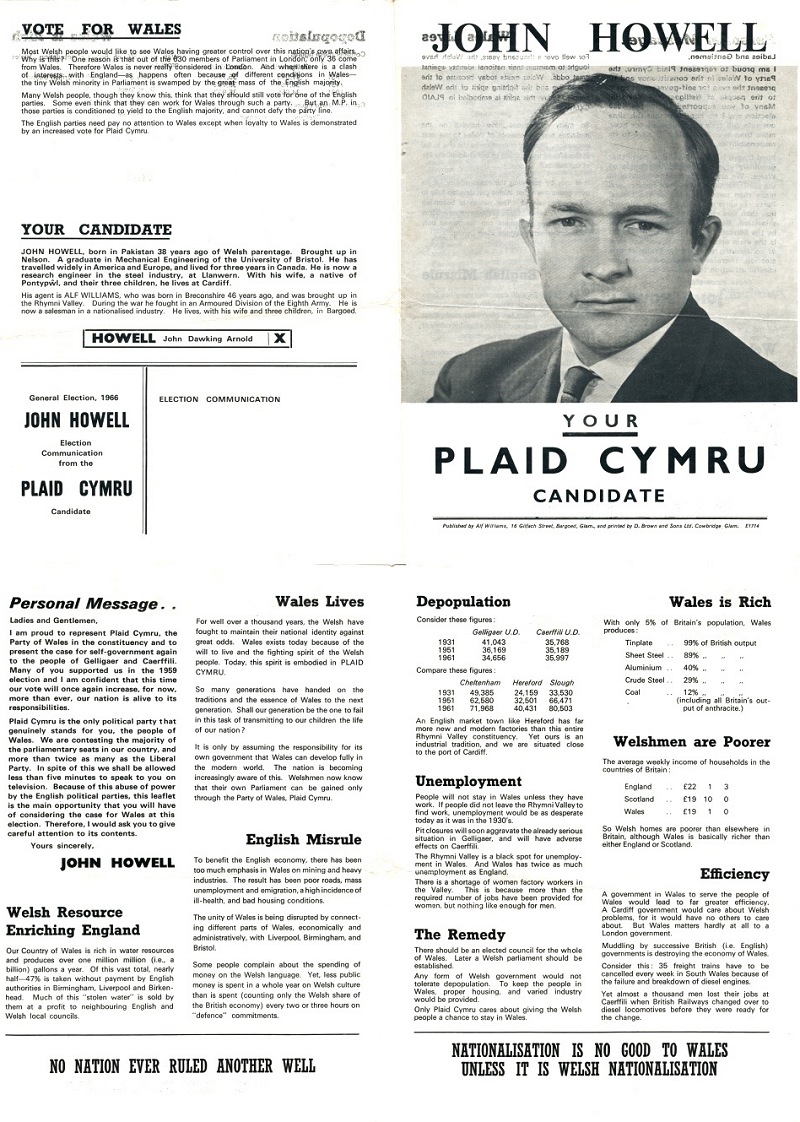
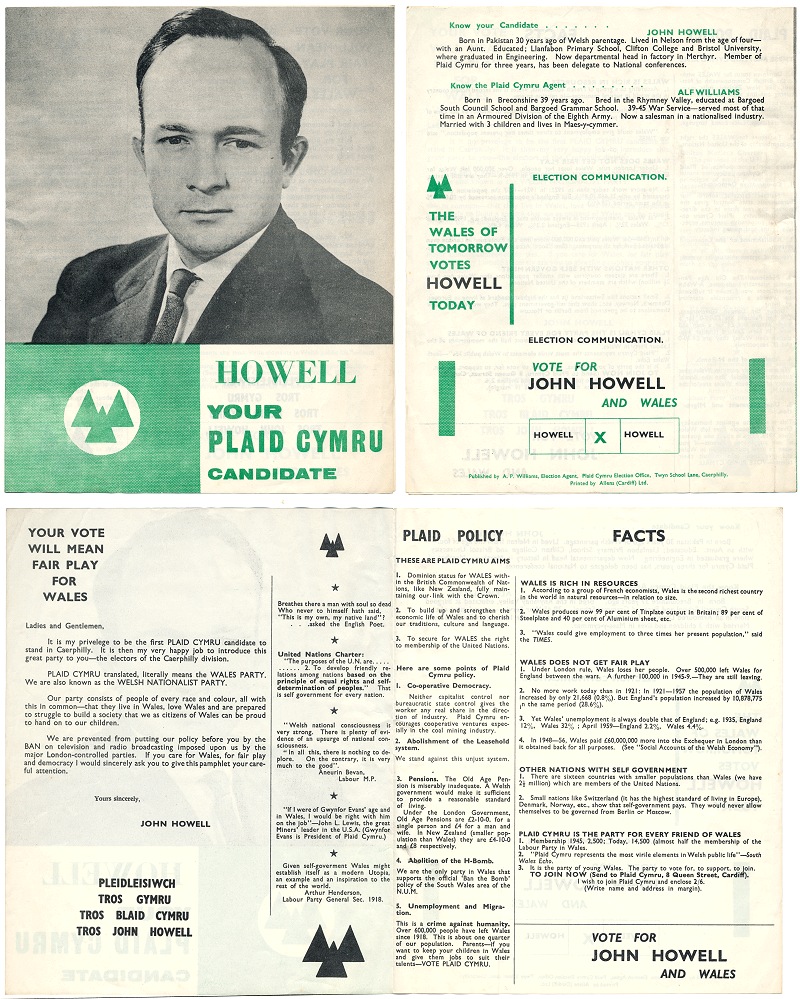
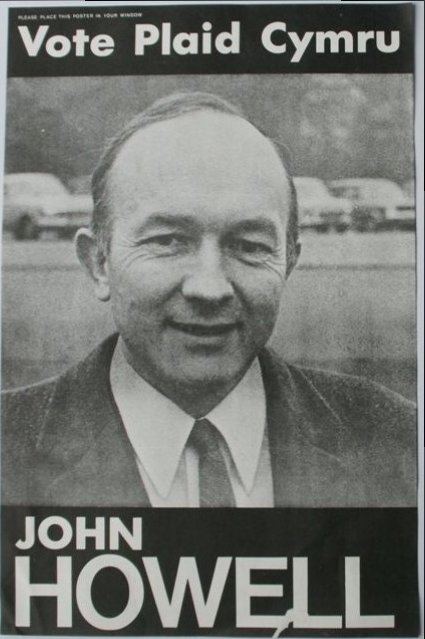
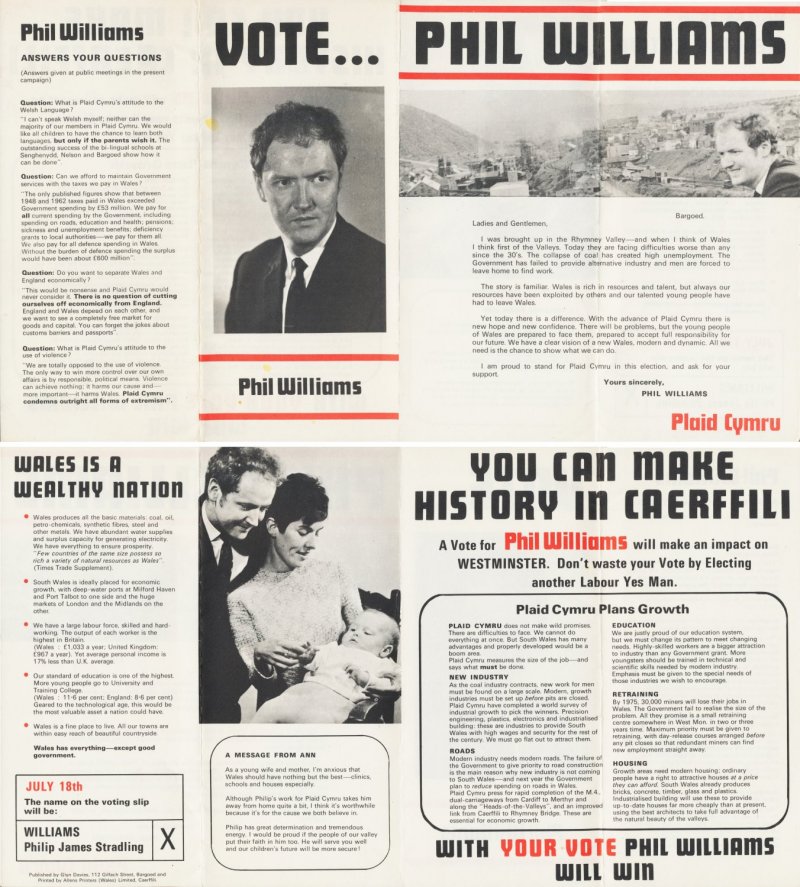
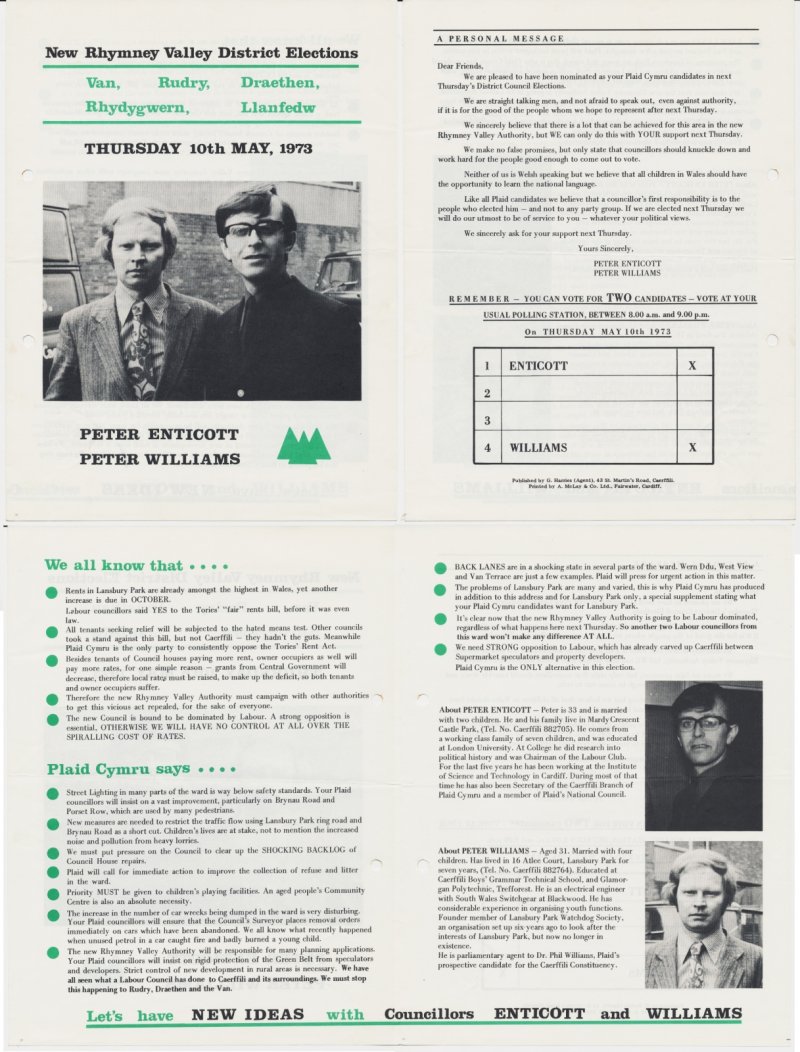
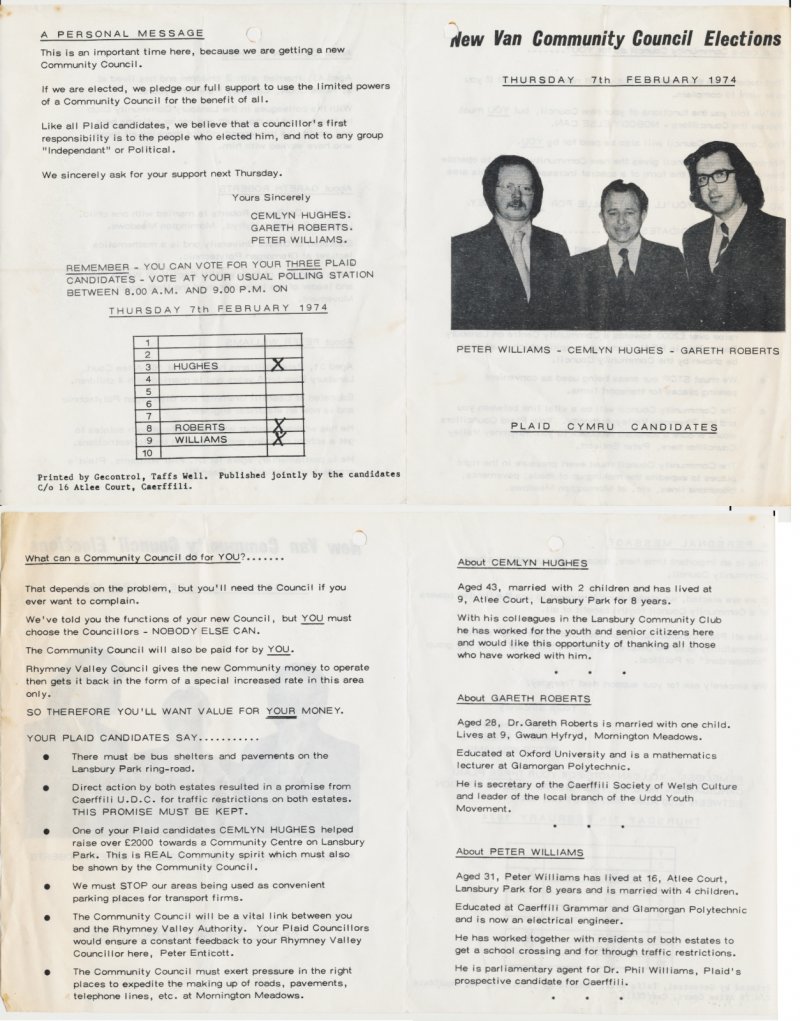
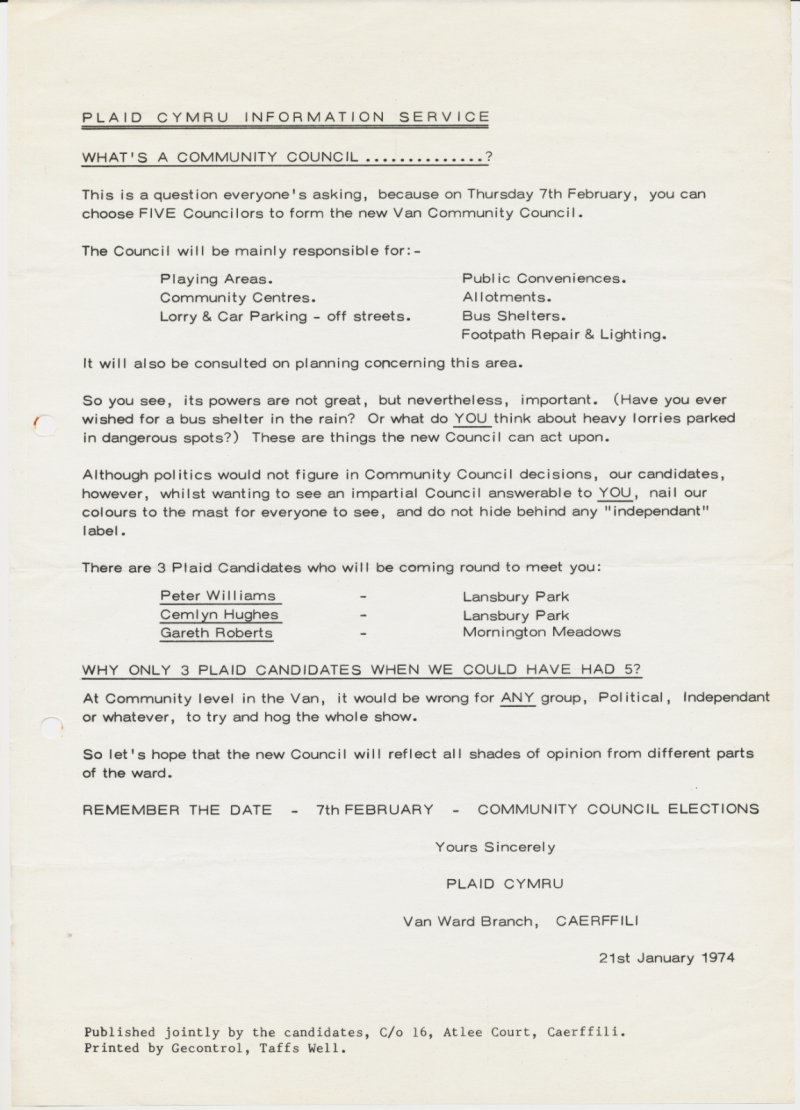
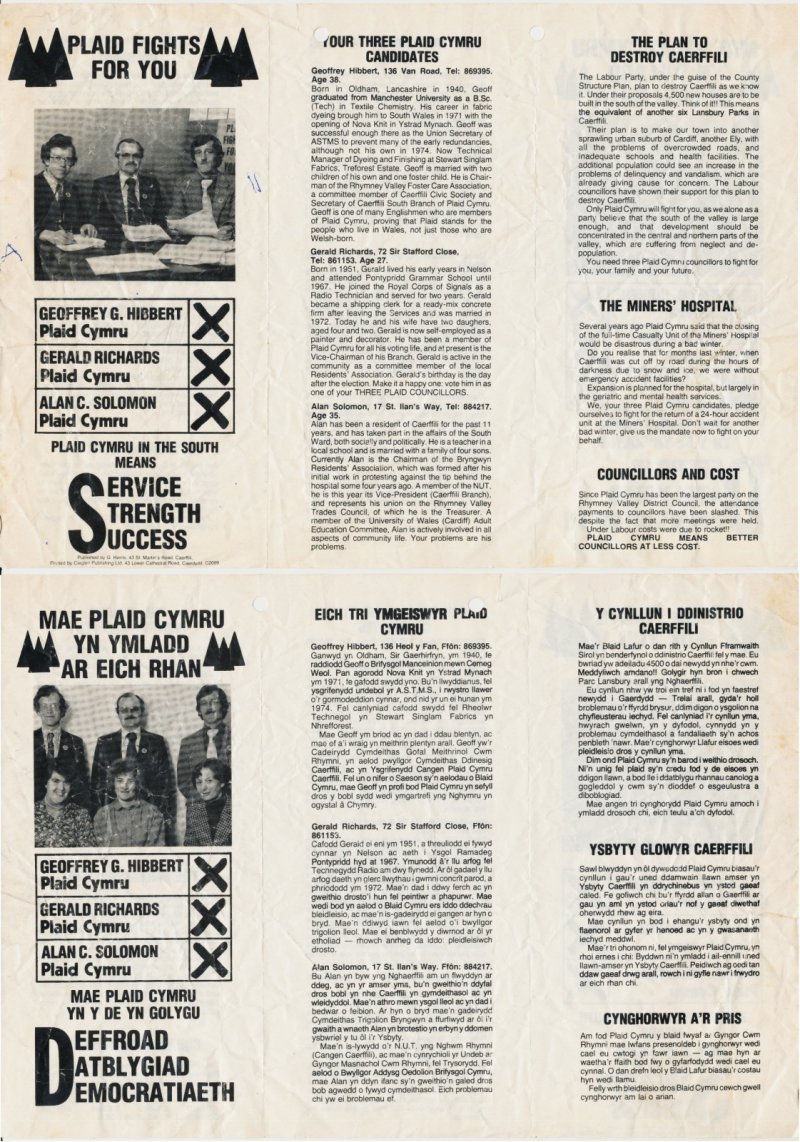
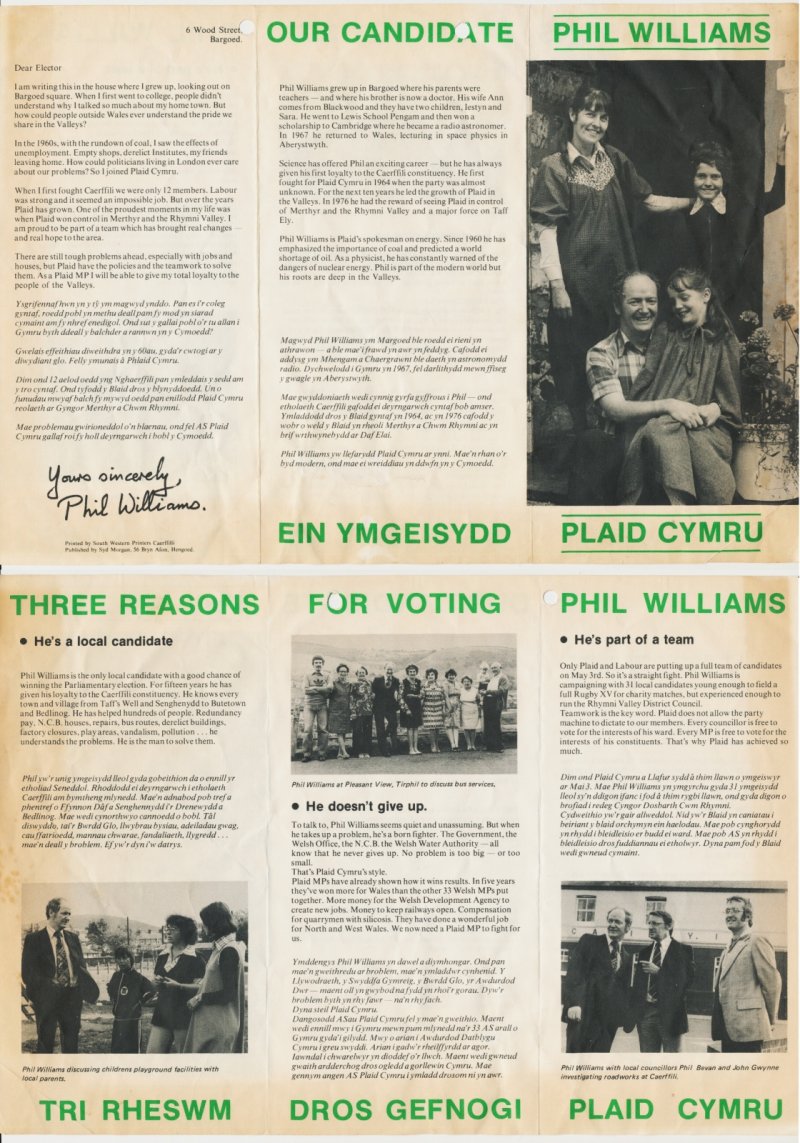


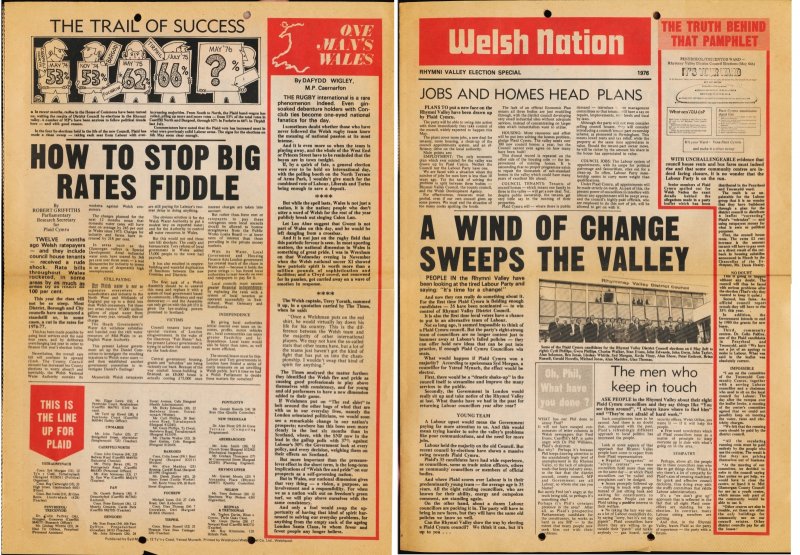
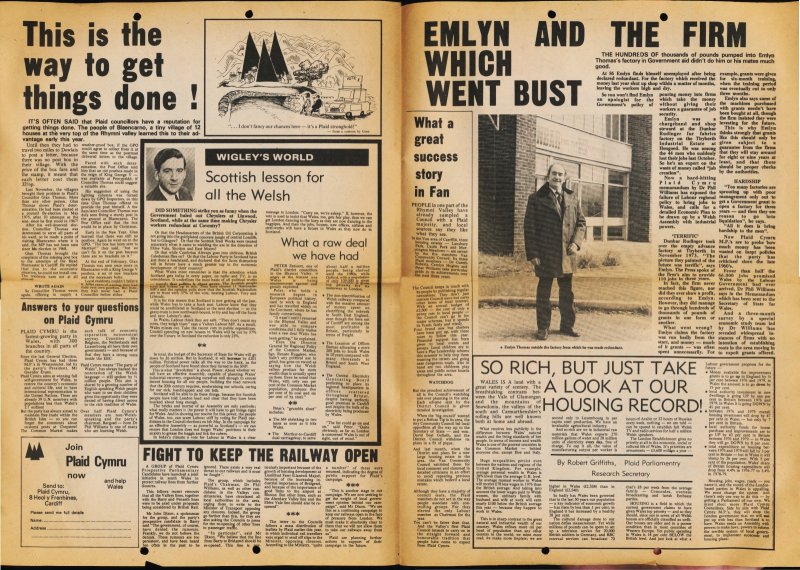
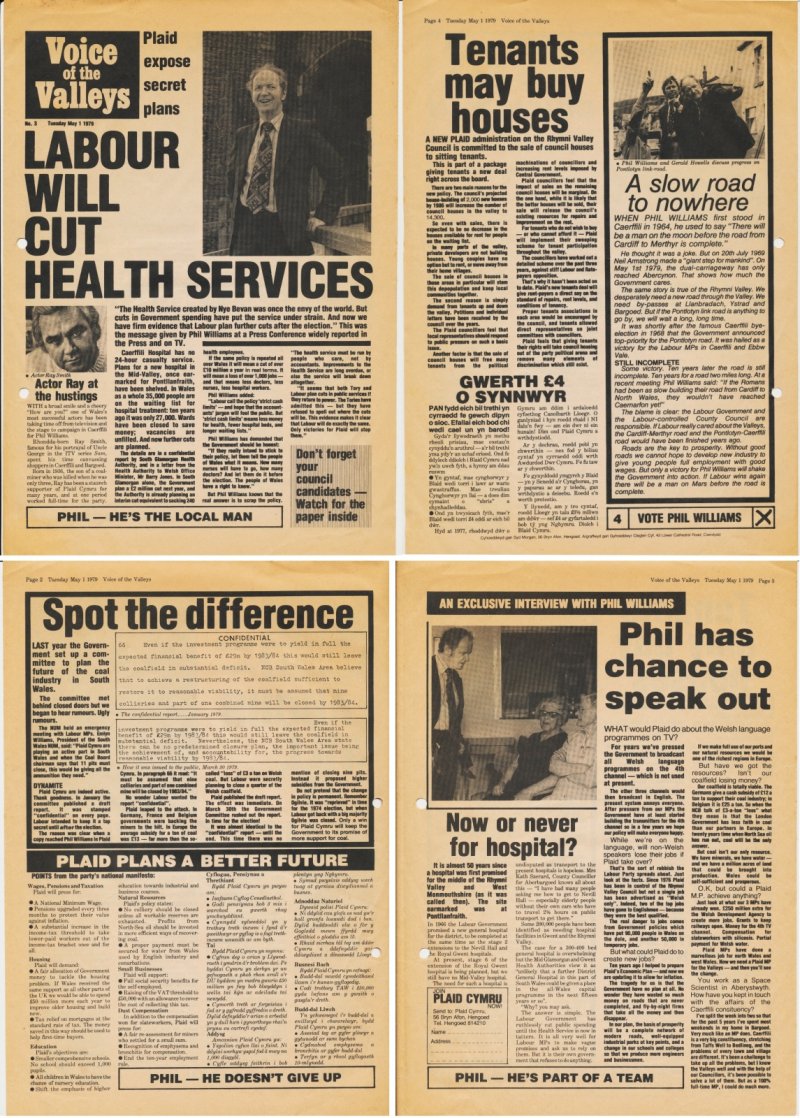

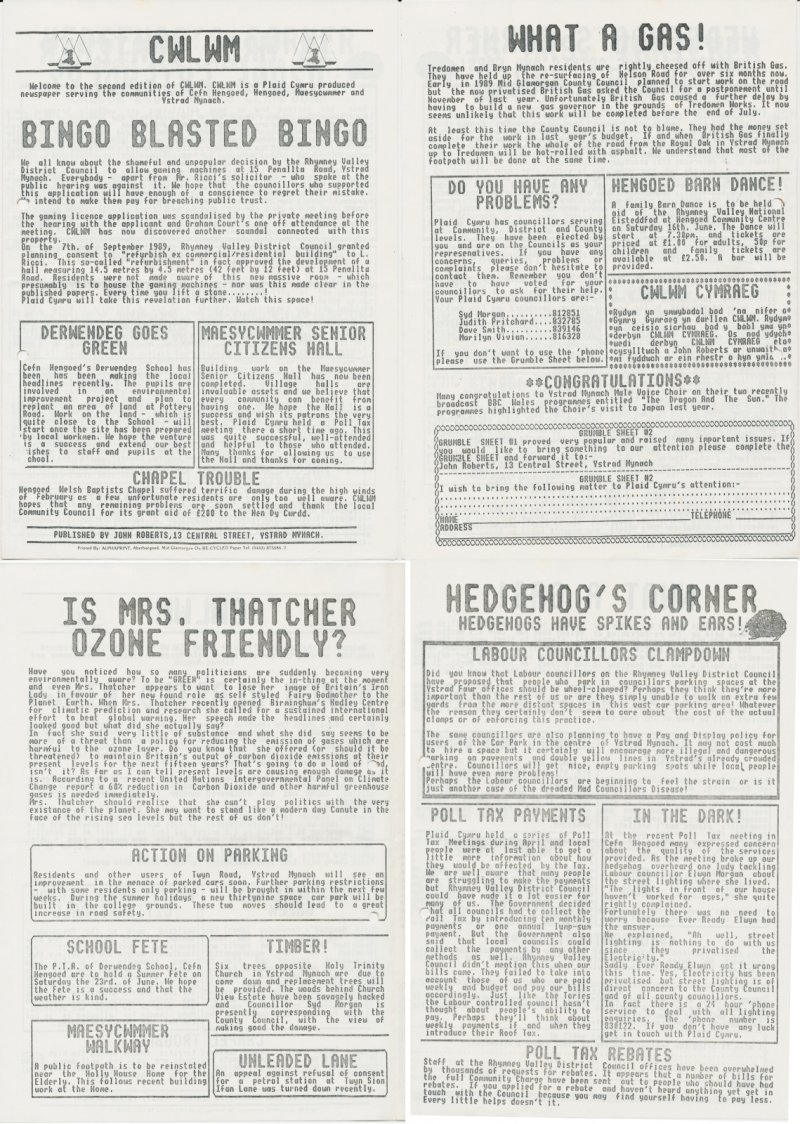


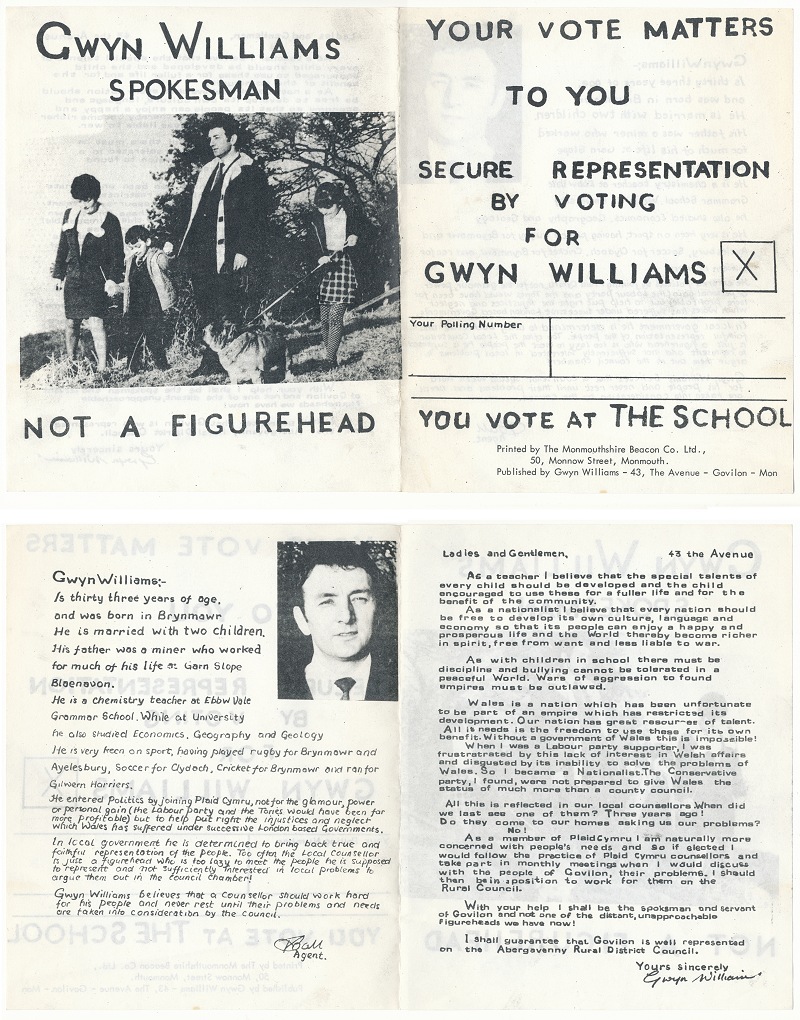
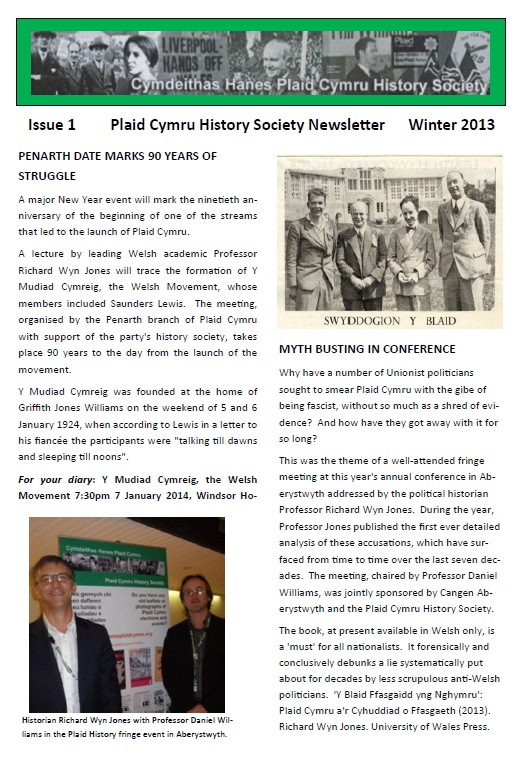 The first issue of the History Society’s Newsletter has been published.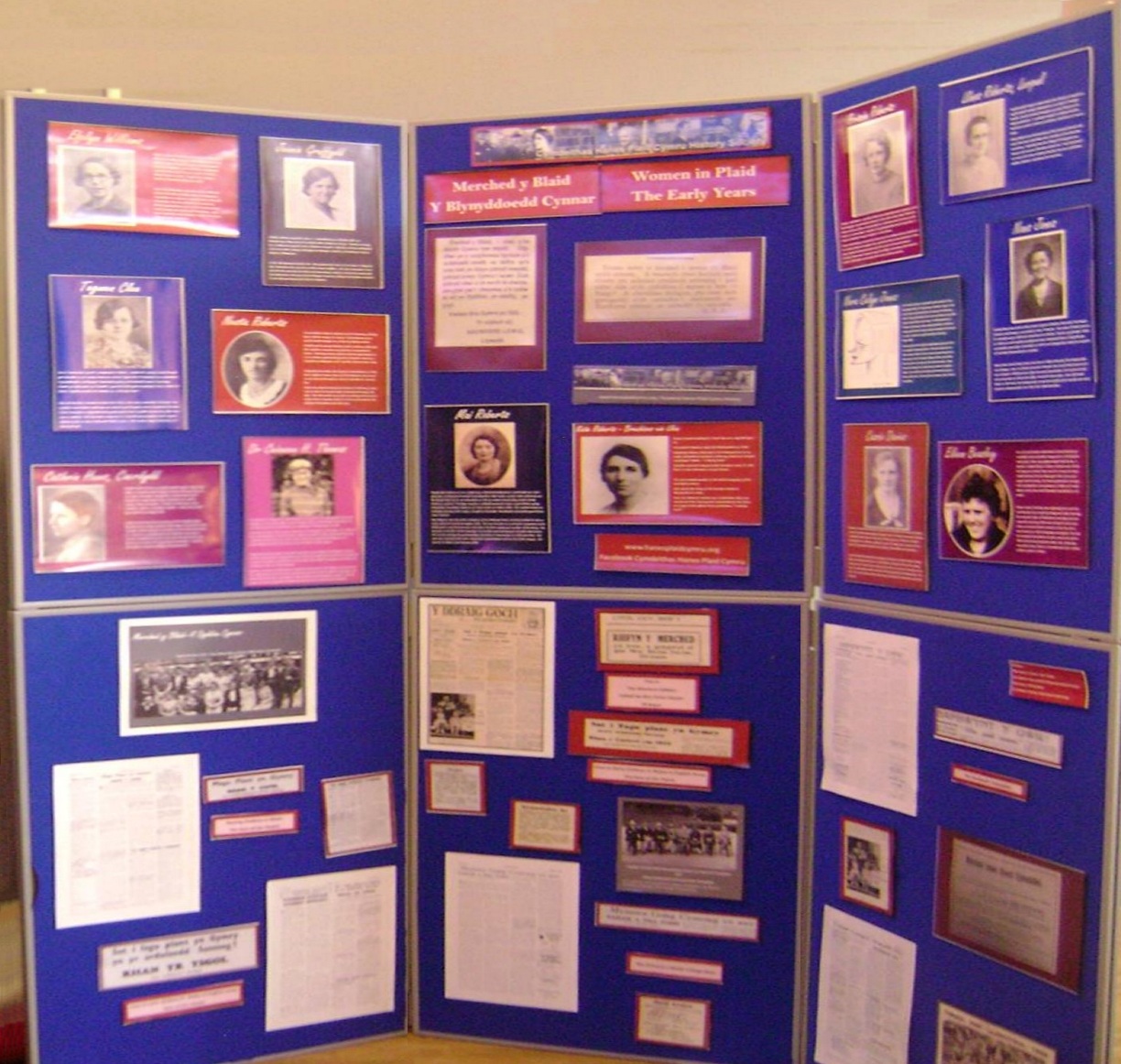
Welsh Nation Spring 2014